
Beyond the tablets, projectors, and test scores, the soul of education remains incomplete without character. Across classrooms in Nigeria and beyond, educators are grappling with a silent crisis, the erosion of moral values among children and youth. In the race to produce competent learners, we often forget to nurture conscientious humans. The question is no longer how to prepare children for the 21st-century economy, but how to prepare them for life.
Character is the moral architecture that shapes who we are when no one is watching. It transcends religious affiliation or social status; it is the foundation of humanity. In Yoruba philosophy, this moral essence is captured in the timeless word “Omoluabi” a person of honour, integrity, respect, and compassion.
An Omoluabi does not merely possess knowledge; they embody wisdom through their conduct. This indigenous ideal resonates with modern global frameworks such as Social Emotional Learning (SEL), values-based education, and ethical pedagogy, all of which advocate emotional intelligence, empathy, and civic responsibility.
Long before international education conferences began emphasizing “character education,” African societies had already placed moral upbringing at the heart of learning. A child was considered educated not by the certificates he held, but by the values he lived.
The 21st century has given birth to extraordinary tools, yet moral confusion often coexists with intellectual brilliance. Many young people today can code a robot but struggle to manage anger, tell the truth, or show empathy.
Character, therefore, is not an old-fashioned idea; it is a timeless necessity. It teaches children integrity in an age of shortcuts, compassion in a culture of self-promotion, and resilience in a world of constant change. Without character, education becomes a means of manipulation rather than transformation.
As Nelson Mandela once said, “Education is the most powerful weapon which you can use to change the world.” But that weapon can either build or destroy depending on the hands and hearts that wield it.
Teachers hold an irreplaceable position in shaping character. Every word, gesture, and decision in the classroom conveys a moral message. A teacher’s patience, fairness, or empathy speaks louder than any written rule.
Children learn character not by instruction alone but by imitation. A teacher who models humility teaches self-control. A teacher who admits mistakes models integrity. The moral climate of a school is a reflection of the adults within it.
To raise Omoluabi learners, educators themselves must become Omoluabi exemplars. Individuals whose lives embody the virtues they seek to instill.
Character education should not be treated as an occasional moral talk; it should be woven into the daily rhythm of learning. By using indigenous wisdom, Yoruba proverbs and folktales carry moral lessons that spark reflection. A saying like “Ìwà l’ẹwà” (character is beauty) reminds learners that true worth lies in virtue, not appearance.
Also, rewarding moral excellence. Celebrate honesty, responsibility, and empathy alongside academic achievement. When children see virtue acknowledged, they learn to value it.
However, Creating a reflective classroom culture encourages students to discuss ethical dilemmas, take responsibility for actions, and learn from their choices.
Finally, Partnering with parents and communities. Character is reinforced when school and home speak the same moral language. Elders, cultural custodians, and parents can help restore moral education as a communal task.
Decolonizing education does not mean rejecting modernity; it means redefining progress through our own moral lens. The Omoluabi philosophy provides a framework for producing globally competent learners who are also culturally grounded and morally conscious.
As Nigeria and other African nations strive to reform education, the call to action is clear: we must teach our children to think critically and live rightly. The true test of education is not how well a child performs in examinations, but how responsibly they perform in life.
The Yoruba proverb reminds us: “Ìwà rere l’ẹ̀kọ́ tó dára jù lọ”. good character is the best education. The future we desire, one marked by justice, compassion, and progress begins with classrooms that raise Omoluabi learners: children who are as brilliant as they are good, as skilled as they are kind, and as modern as they are morally rooted.
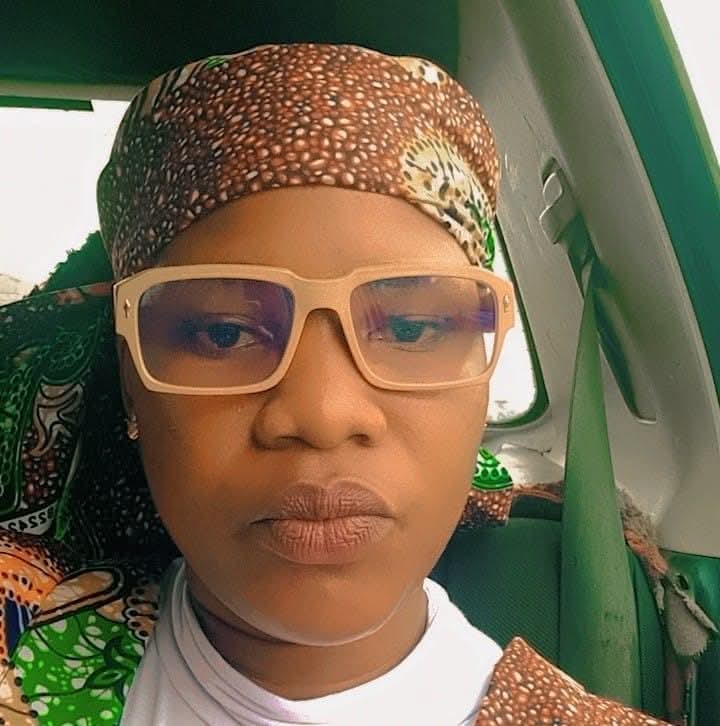
Alimat Taiwo Sulaiman is a teacher, writer, and school founder passionate about value-based education and indigenous learning philosophies. She believes in nurturing upright children in a world of vices and in reimagining Nigerian education through moral and cultural renewal.